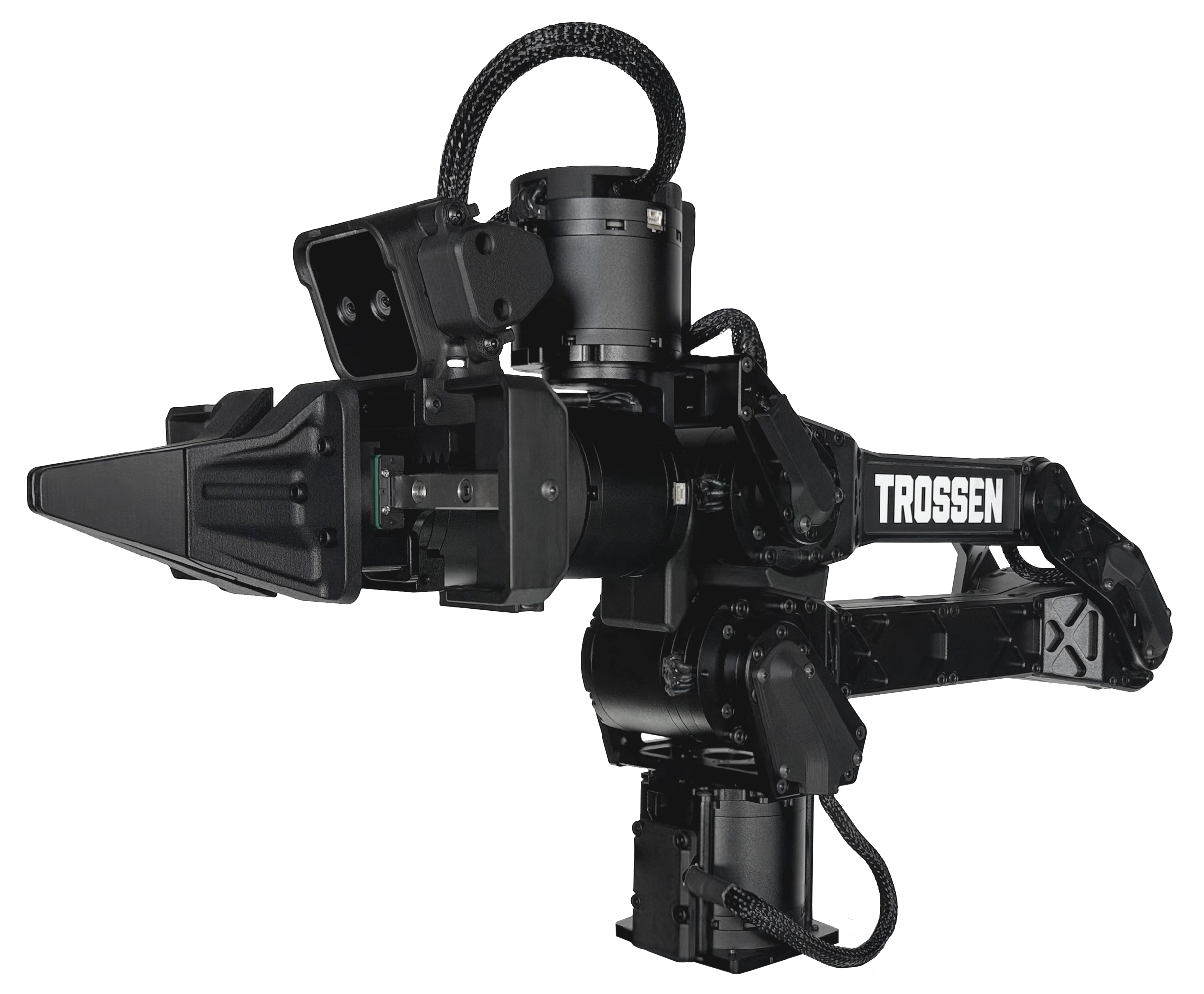
Engineering intelligent systems for the real world: ISL advances research in robotics, machine learning, and biomedical sensing while training the next generation of engineers and scientists.
Sim-to-real transfer learning, reinforcement learning for robotic arms, imitation learning, and vision-guided control. Our robots learn from simulation and human demonstration, then operate on physical systems.
Non-invasive blood glucose monitoring using breath volatile organic compounds (VOCs), wearable sensor devices, machine learning models deployed on-device, and clinical data collection pipelines for diabetes management.
Microcontroller-based sensor platforms, RTOS implementations, on-device inference, and low-power systems for real-world health and environmental monitoring.
Deep learning for image classification, diabetic retinopathy detection, autonomous navigation via natural language commands, and vision-language-action integration.
This course covers the fundamentals of robotics and computer vision through a combination of theory and hands-on project work. Topics include forward and inverse kinematics, vision-based detection and control, and reinforcement learning for robotic manipulation. Students apply concepts directly on physical robot arms using industry-standard tools and software. The course is offered at both the undergraduate (EE 473) and graduate (ECE 573) levels, with graduate students completing additional work.
A new robotics and AI lab is currently under development and will be ready for Fall 2026, significantly expanding the hands-on research and teaching infrastructure available to students in this course and across the program.
As of 2026
Loading…
ISL welcomes undergraduate and graduate students interested in robotics, AI, sensing, and embedded systems. Positions available through directed study, capstone projects, and thesis supervision.
Learn More →We partner with industry and academic collaborators on applied research in intelligent systems, health sensing, and autonomous robotics. If you see alignment, reach out.
Learn More →ISL operates on a combination of grants, university support, and philanthropic contributions. Equipment donations and targeted gifts directly support student research.
Learn More →